Medical school advising · Miami · English & Español

I have taught the course that decides who gets in.

Anatomy and physiology is where most pre-med plans quietly end. I have taught it for thirty-one years — and I have sat on the other side of the admissions process twice myself.

Book a session

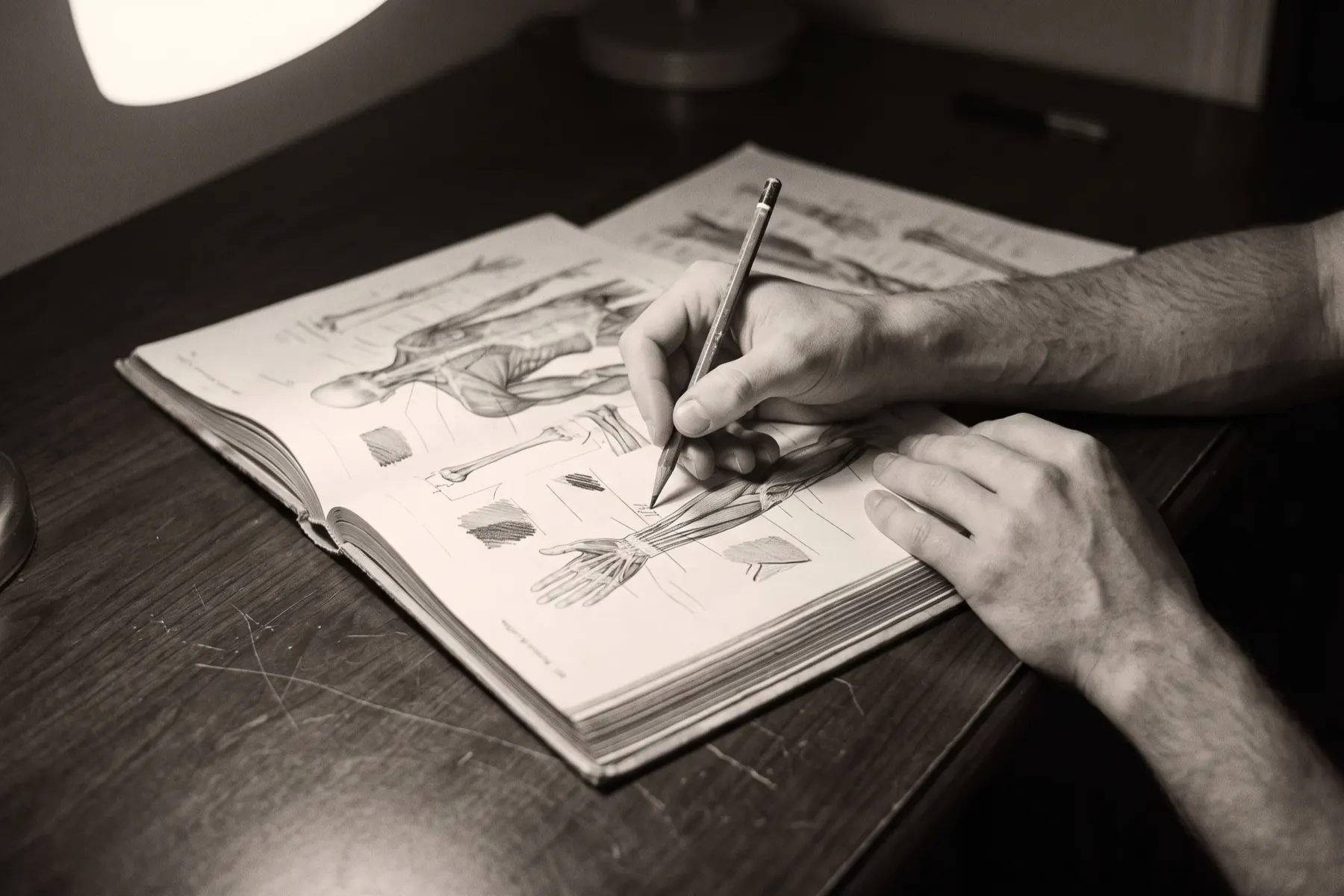
Hands annotating an open anatomical atlas under warm desk light.
Who this is for

Three places people find themselves.

Considering medical school

You are weighing whether this path is realistic for you, and everyone you have asked either works in admissions or has something to sell you.

Applying now

You need a school list that reflects your actual position, and a read on the parts of your application that are not as strong as you have been told.

Already enrolled and struggling

Anatomy, physiology, or a remediation plan you do not understand. I have taught this to advanced high-school students, undergraduates, graduate and PA students, and practising clinicians.

Why me

Not a coach. A teacher who has watched it from every side.

I teach the gatekeeper courses

BSC2085 and BSC2086 at Miami Dade College since 2014, and cadaver-based gross anatomy for PA students and practising clinicians. I know exactly where students lose the thread, because I watch it happen every term.

I have prepared incoming medical students before

In 2003 I taught medical terminology, gross anatomy and histology to incoming first-years in a pre-matriculation programme at UMDNJ's School of Osteopathic Medicine. Preparing people for year one is not a new business for me.

I ran minority affairs for AMSA

Chairman of Minority Affairs for FIU's American Medical Student Association chapter, 1997–2000 — connecting under-represented students to research opportunities and MCAT summer programmes. I was also a participant in those programmes.

I advised on the record, officially

Four years as an academic advisor at Miami Dade College's New Student Center: auditing transcripts, mapping upper-division requirements, and processing graduation approvals. The unglamorous mechanics that sink applications.

“I am not going to tell you it will be fine. I am going to tell you what is actually in front of you.”

P. M. Padilla

Sessions

Three ways to work together.

Contribution amounts not yet set
01 · Advising

Getting in, and getting through

Application strategy, school lists, and an honest read on where you actually stand. For students already enrolled: anatomy and physiology tutoring, and remediation planning.

Advanced high-school · undergraduate · graduate
02 · Training

Professional instruction

Gross anatomy, physiology and pathophysiology for physician assistant students and practising healthcare professionals — including bespoke cadaveric dissection instruction on contract.

PA programmes · clinicians · institutions
03 · Assessment

Accreditation-aligned assessment

Competency mapping, assessment design, progression analytics and remediation systems for health-professions programmes measured against ARC-PA domains.

Programme & institutional
How sessions are supported

Advising sessions run through the research lab's nonprofit. Rather than a fixed price list, each session carries a minimum contribution set by the task and the level of knowledge it requires — a conversation about a school list and a semester of cadaveric instruction for a PA cohort are not the same engagement and should not pretend to be.

Contributions support the lab's educational and research work. You will be told the amount, and what it covers, before anything begins.

[ Amounts not yet set. Contribution wording and any tax characterisation must be confirmed by counsel before this page goes live — see entity-structure.md. ]
TidyCal embed

Booking calendar mounts here once the offers above are set and an account exists.

Or just write to me first.

If you are not sure which of these fits — or whether any of them do — say where you are and I will tell you straight.

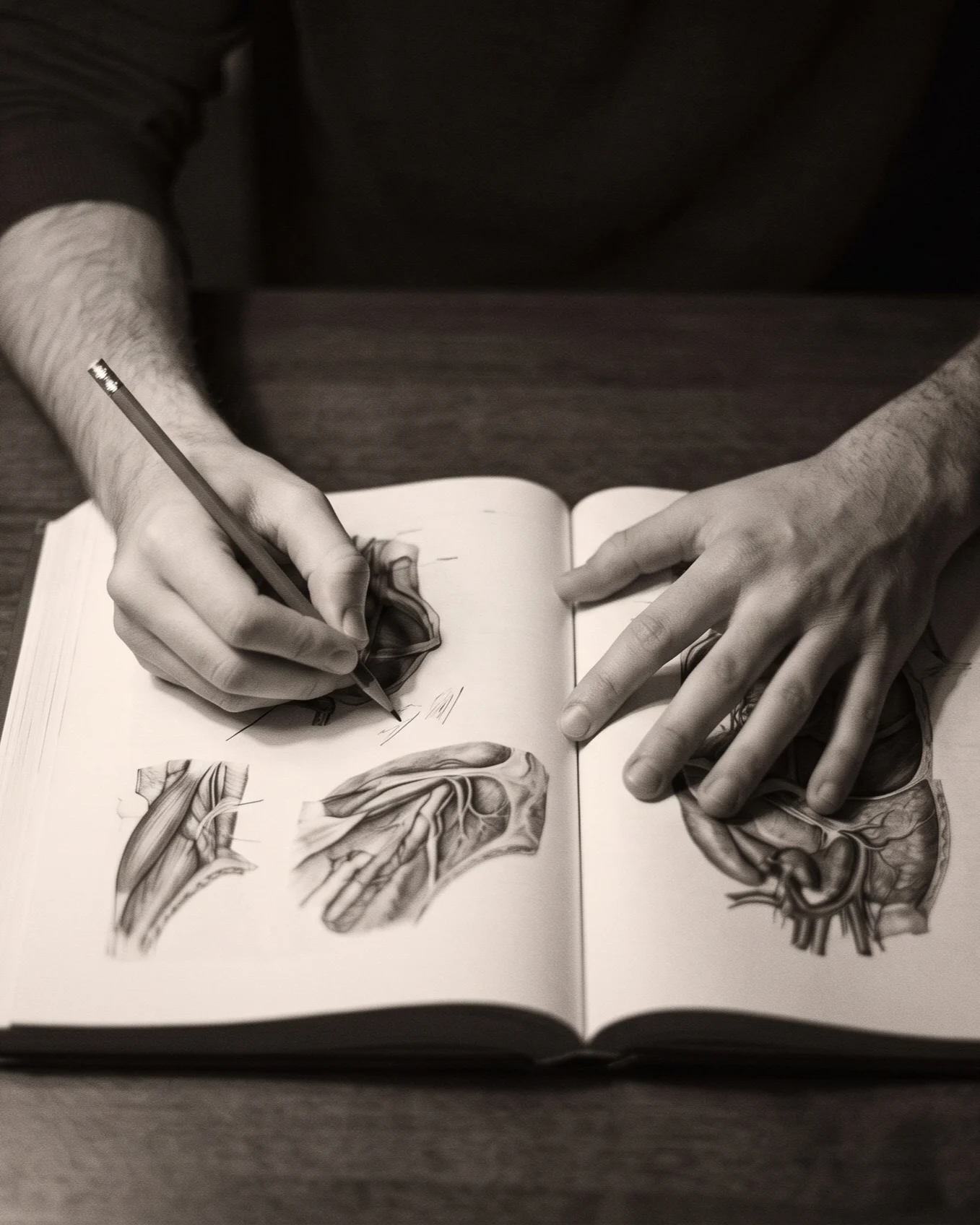
Close view of a worn anatomy atlas being annotated in pencil under a desk lamp.
The plan is built from where you actually are — transcript, coursework, timing — not from where a brochure says the average applicant is.
Straight answers

The questions people actually ask.

Can you get me into medical school?

No. Nobody can, and anyone who says otherwise is selling you something. I can tell you where you actually stand and what would move it.

Will you write my personal statement?

No. I will tell you what is not working in the one you wrote, and why an admissions reader will put it down.

¿Hablas español?

Sí — es mi lengua materna. Las sesiones pueden ser en español o en inglés.

Did you go to medical school?

Partly, and I will tell you exactly how much. A year and a half of four at UMDNJ's School of Osteopathic Medicine, two years of four at the University of Medicine and Health Sciences in St. Kitts, and USMLE Step 1. I finished neither degree. What I hold is basic science medical training — and knowing what the road out looks like is a large part of why I am useful to you.